

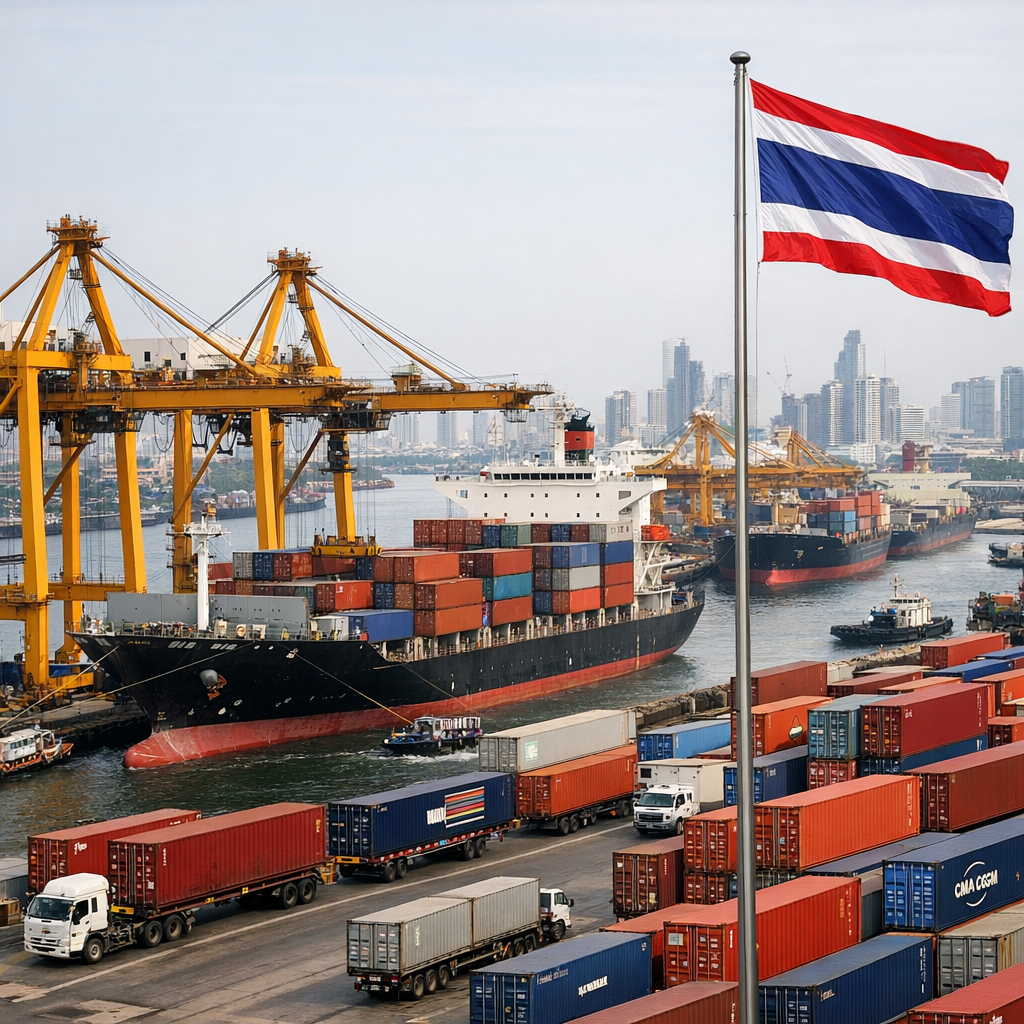
In an increasingly interconnected world, Thailand’s economy is significantly influenced by global economic trends. Recent developments in international trade policies, demographic shifts, and technological advancements present both challenges and opportunities for the nation.
Impact of Global Trade Policies
Thailand’s export-driven economy is particularly sensitive to changes in global trade dynamics. The United States, a major trading partner, has implemented higher tariffs on various imports, including those from Thailand. In August 2025, bilateral negotiations resulted in a 19% tariff for most Thai exports to the United States. This move has the potential to affect key sectors such as electronics, steel, and automotive parts, which are integral to Thailand’s export portfolio. [Source: OECD Economic Surveys: Thailand 2025]
Demographic Challenges
Thailand is experiencing rapid demographic changes, notably an aging population and declining labor force participation. These trends pose challenges to economic growth and productivity. Approximately 30% of the labor force remains employed in agriculture, a sector contributing less than 10% to the GDP. This stagnation highlights the need for structural transformation towards higher-productivity industries. [Source: World Bank Group – Thailand Overview]
Technological Advancements and Digitalization
The global shift towards digitalization offers Thailand an opportunity to enhance its economic competitiveness. Embracing digital technologies can drive innovation, improve productivity, and open new markets. However, this transition requires substantial investment in digital infrastructure, education, and regulatory frameworks to support a thriving digital economy.
Policy Recommendations
To navigate these global economic shifts, Thailand should consider the following strategies:
- Diversifying Export Markets: Reducing reliance on a few major trading partners by exploring new markets can mitigate the impact of trade policy changes.
- Investing in Human Capital: Addressing demographic challenges through education and skills development can enhance labor productivity and support economic growth.
- Promoting Digital Transformation: Developing a robust digital infrastructure and fostering innovation can position Thailand as a competitive player in the global digital economy.
By proactively addressing these global economic trends, Thailand can strengthen its economic resilience and continue its path towards sustainable development.