

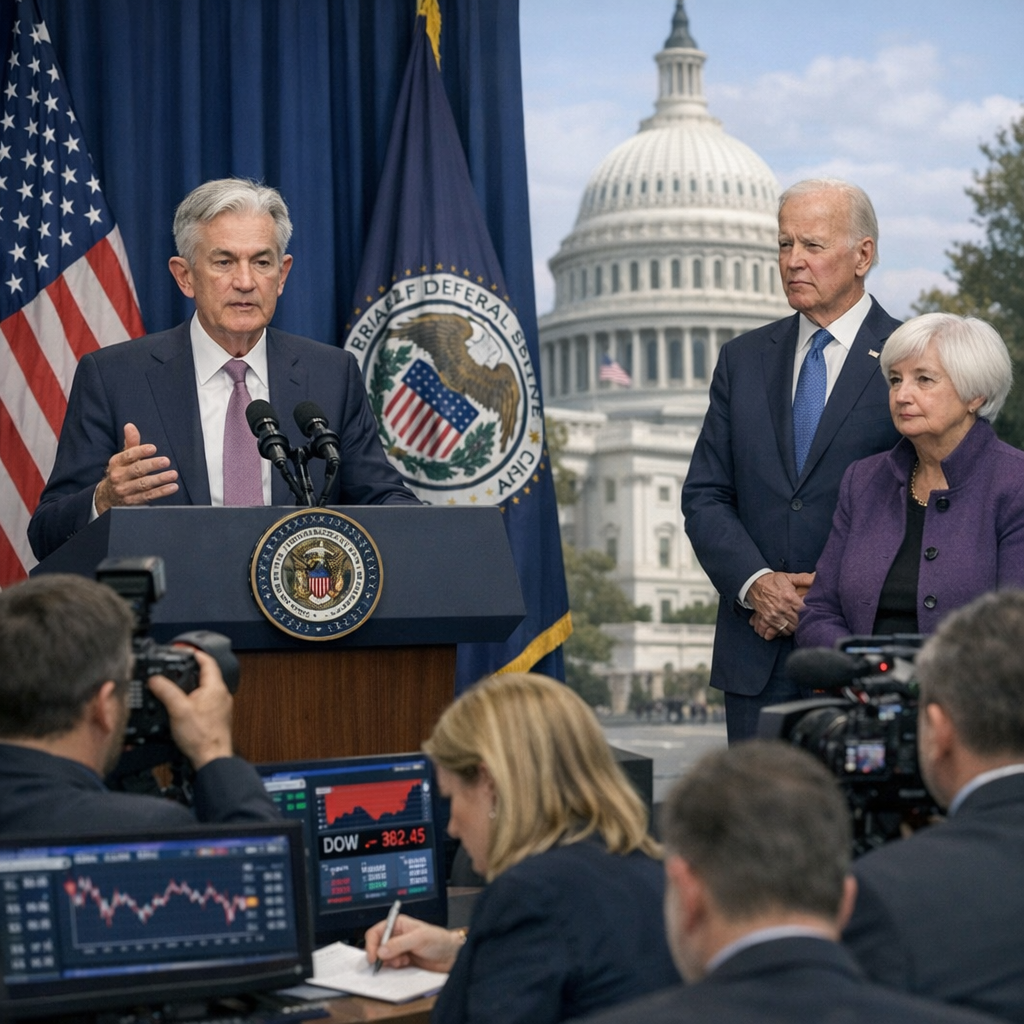
The United States is currently experiencing significant shifts in its political and economic spheres, with recent events shaping the nation’s trajectory.
Political Developments
In the political arena, the resignation of Tulsi Gabbard as Director of National Intelligence has raised questions about the direction of U.S. intelligence policies. Additionally, President Donald Trump’s recent statements regarding potential actions against Iran have heightened tensions in the Middle East, influencing both domestic and international political dynamics.
Economic Trends
On the economic front, the U.S. has faced challenges with job losses and rising gasoline prices, contributing to uncertainty about the nation’s economic future. The International Monetary Fund’s April 2026 World Economic Outlook projected a slowdown in global growth, with the U.S. economy being a significant factor in this trend. Furthermore, the Federal Reserve’s recent leadership change, with Kevin Warsh replacing Jerome Powell as chair, has introduced new variables into the economic landscape.
Implications for Thailand
For Thailand, these developments in the U.S. hold particular significance. As a key trading partner, shifts in the U.S. economy can impact Thailand’s export sector. Additionally, changes in U.S. foreign policy, especially concerning the Middle East, may influence global oil prices, affecting Thailand’s energy costs and overall economic stability.
Staying informed about these evolving situations is crucial for Thai businesses and policymakers to navigate potential challenges and opportunities arising from the U.S. political and economic landscape.