

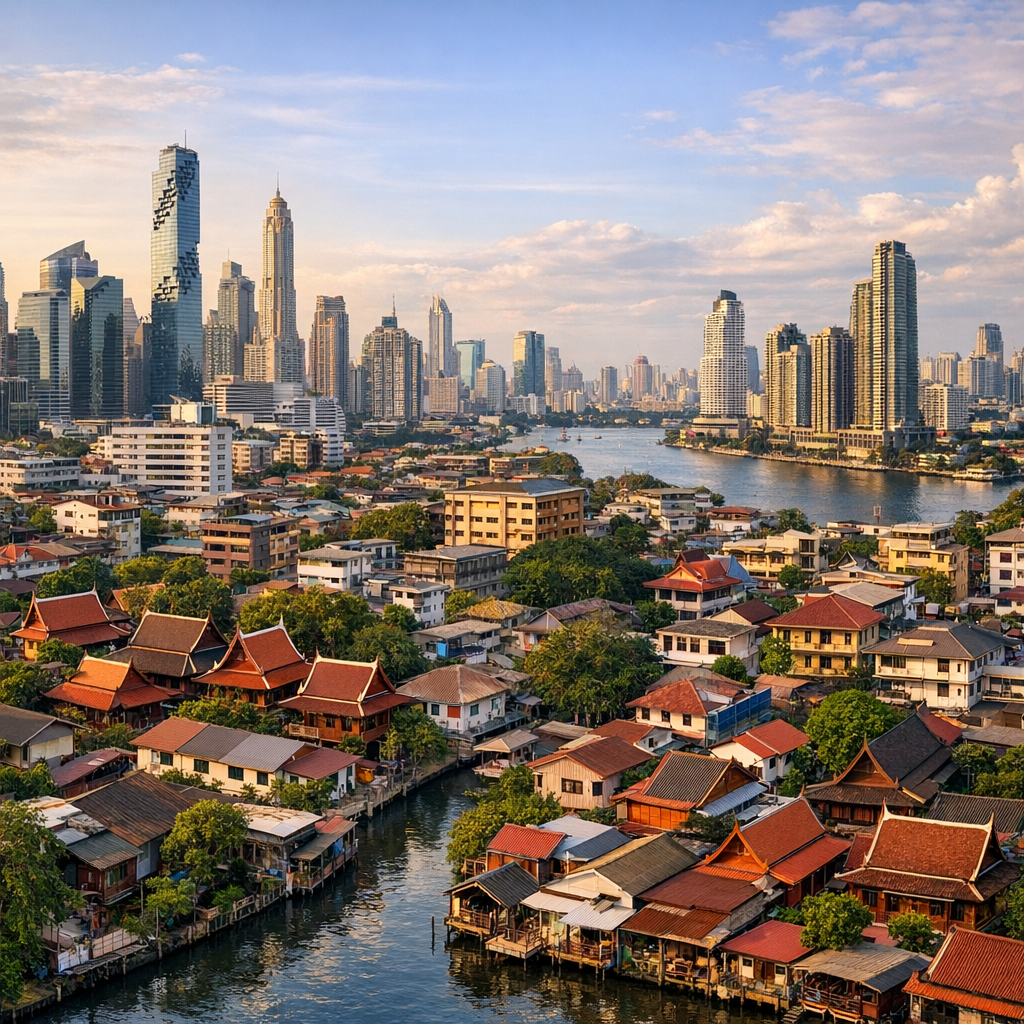
Bangkok’s real estate market is undergoing significant transformations, influenced by changing consumer preferences, economic factors, and urban development initiatives. Understanding these shifts is crucial for prospective renters, homebuyers, and investors aiming to make informed decisions.
Surge in Rental Demand
Recent data indicates a notable increase in rental demand across Bangkok. In the first quarter of 2026, rental demand rose by 9% in the city, reflecting a growing preference for renting over purchasing. This trend is driven by factors such as economic uncertainty, high borrowing costs, and a desire for flexibility among urban dwellers. Notably, units renting for less than THB 10,000 per month saw an 11% increase in demand, highlighting a shift towards more affordable housing options.
Shift in Home Buying Trends
Conversely, the appetite for homeownership has cooled. Nationwide, demand to purchase residential properties fell by 6% in the same period. Detached houses and townhouses experienced the sharpest declines, with demand dropping by 17% and 16%, respectively. In contrast, condominiums showed resilience, with a 4% increase in demand, likely due to their affordability and lower maintenance requirements compared to landed properties.
Market Oversupply and Developer Response
Bangkok’s property market is experiencing a bifurcation. While prime areas like Sukhumvit and Silom-Sathorn maintain strong demand, suburban regions face oversupply challenges. As of early 2026, Greater Bangkok had over 212,000 unsold residential units, the highest in a decade. This oversupply is primarily concentrated in suburban, investor-driven developments. In response, developers have scaled back new launches, focusing on clearing existing inventory and stabilizing the market.
Investment Hotspots
Despite these challenges, certain areas in Bangkok continue to offer promising investment opportunities. Phrom Phong and Thonglor remain premium zones, attracting expatriates and offering potential rental yields of 4–5%. Rama 9, emerging as a new financial hub, appeals to young professionals, with potential yields of 5–6%. Additionally, neighborhoods like Bang Chak and Phunnawithi are gaining popularity due to their proximity to innovation hubs and offer yields of 4.5–6%.
Conclusion
Bangkok’s real estate market is in a state of flux, characterized by rising rental demand, shifting home buying trends, and localized oversupply issues. For those navigating this landscape, staying informed about these dynamics is essential. Whether considering renting, purchasing, or investing, understanding the nuances of Bangkok’s housing market will aid in making strategic and informed decisions.