

Thailand has long been recognized as a pivotal player in global trade, leveraging its strategic location in Southeast Asia and a robust economic framework. As the world’s supply chains undergo significant transformations, Thailand’s role continues to evolve, reflecting its adaptability and commitment to economic growth.
Economic Resilience and Growth
In 2024, Thailand’s gross domestic product (GDP) reached $563 billion, marking a 2.5% growth from the previous year. This expansion was primarily driven by increased domestic consumption and public investment. The National Economic and Social Development Council (NESDC) projects a further growth of 2.3% to 3.3% in 2025, underscoring the nation’s economic resilience amidst global uncertainties.
Key Export Markets and Trade Relations
Thailand’s export landscape is diverse, with the United States emerging as the largest export market in 2024, followed closely by China. The total trade value between Thailand and the U.S. stood at $81.2 billion, with Thai exports accounting for $63.3 billion. This robust trade relationship highlights Thailand’s significant presence in the global market.
Furthermore, Thailand’s active participation in free trade agreements (FTAs) has bolstered its export capabilities. In the first half of 2025, the utilization of FTA benefits reached approximately $44.79 billion, a 10.22% increase from the previous year. Notably, the ASEAN-China Free Trade Agreement (ACFTA) saw a utilization rate of 92.59%, reflecting strong trade ties within the region.
Infrastructure and Logistics Development
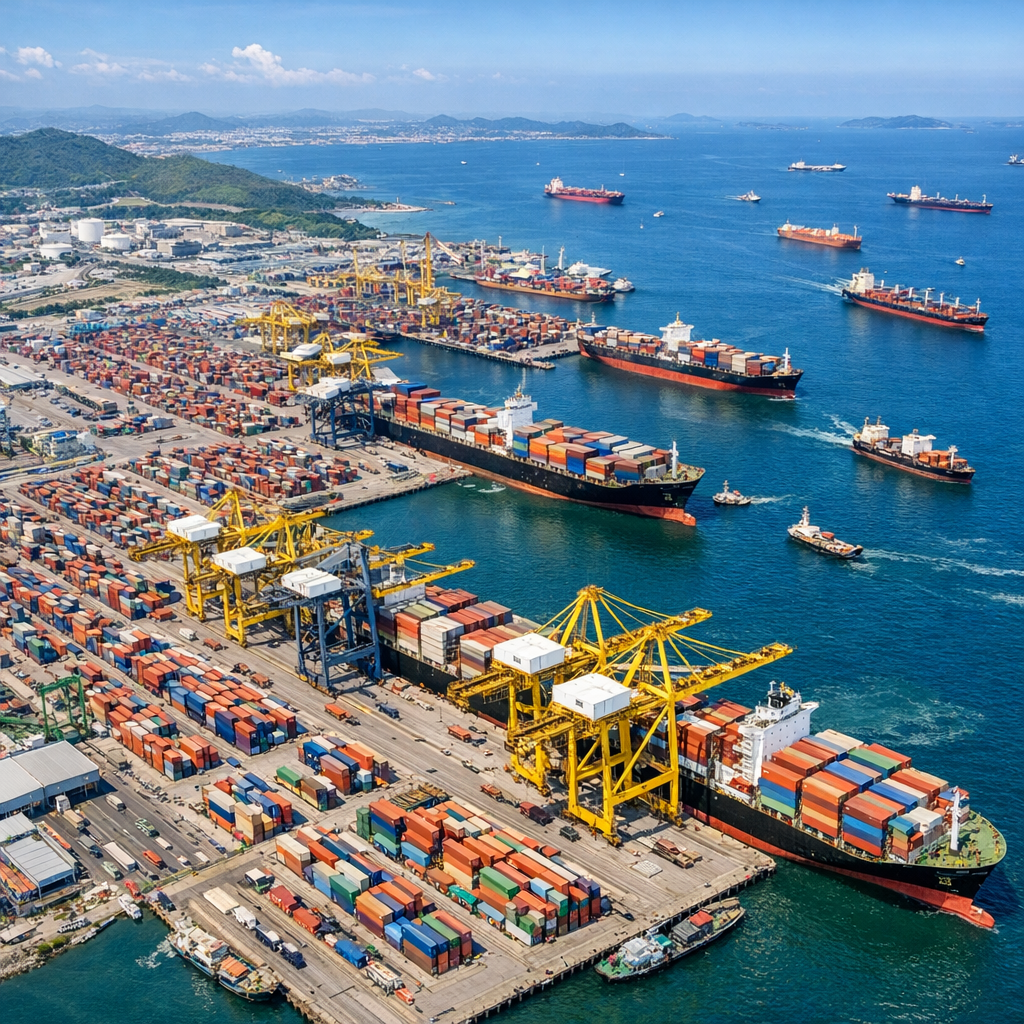
To enhance its position as a logistics hub, Thailand has invested heavily in infrastructure. The Eastern Economic Corridor (EEC) has attracted significant foreign investment, particularly in high-value manufacturing sectors like automotive and electronics. Additionally, the expansion of Laem Chabang Port and the development of a new land bridge project are set to further strengthen Thailand’s logistics capabilities.
Commitment to Multilateral Trade Systems
Thailand remains committed to the rules-based multilateral trading system under the World Trade Organization (WTO). During its ninth Trade Policy Review in Geneva, Thailand reaffirmed its dedication to economic reforms, green and digital trade initiatives, and addressing members’ concerns on tariffs and investment. This commitment underscores Thailand’s proactive approach to integrating into the global economy.
In conclusion, Thailand’s strategic initiatives, robust trade relations, and infrastructural developments position it as a key player in the evolving global trade landscape. As the nation continues to adapt to global economic shifts, its role is set to become even more significant in the years to come.